

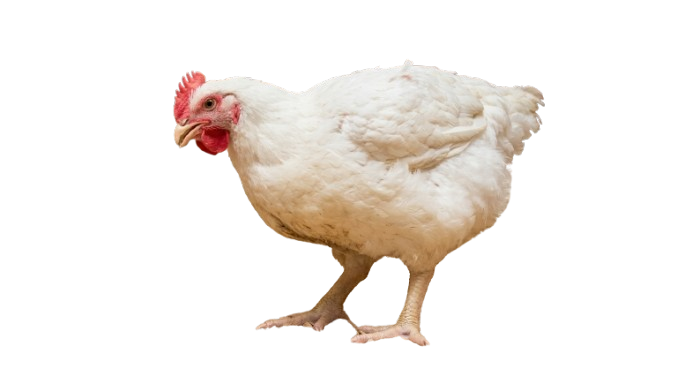
Feeding is one of the most important aspects of broiler production, but overfeeding can create serious challenges on the farm. While broilers are bred for rapid growth, excessive feeding or poor feed management can lead to obesity, poor feed conversion, leg problems, increased mortality, and unnecessary production costs.
Proper feeding management helps farmers achieve healthy growth, efficient feed utilization, and better profitability.
Why Overfeeding Is a Problem
Overfeeding broilers can result in:
- Excess body fat accumulation
- Poor Feed Conversion Ratio (FCR)
- Increased risk of sudden death syndrome
- Leg weakness and mobility issues
- Higher feed costs
- Reduced overall production efficiency
The goal is not just to make birds eat more, but to ensure they grow efficiently and healthily.
Practical Ways to Avoid Overfeeding Broilers
1. Follow Recommended Feeding Programs
Use age-appropriate feed stages:
- Starter feed
- Grower feed
- Finisher feed
Each stage is formulated to meet the bird’s nutritional needs at different growth periods.
2. Monitor Feed Intake Daily
Track how much feed birds consume each day and compare it with standard feeding guidelines for the breed and age.
Proper monitoring helps identify:
- Overconsumption
- Feed wastage
- Abnormal feeding behavior
3. Avoid Excess Feed Wastage
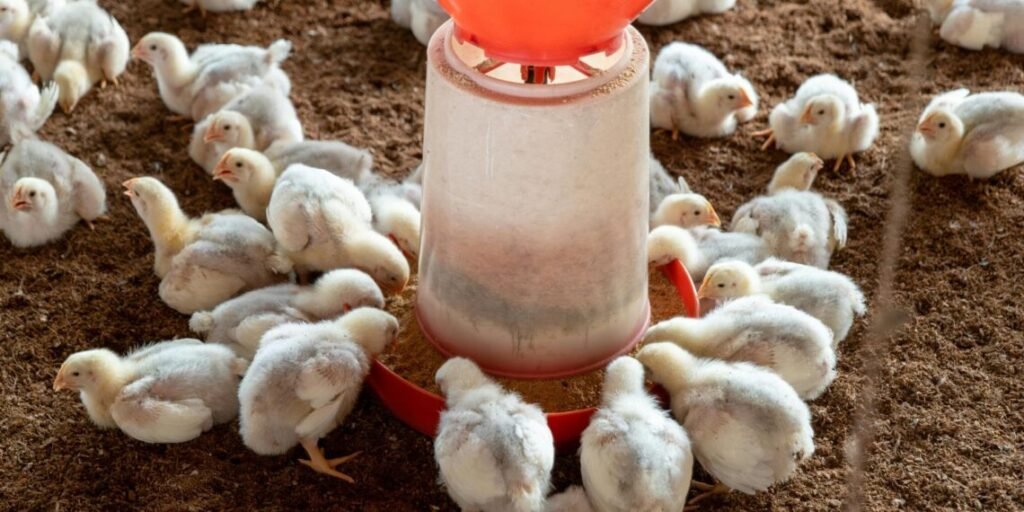
Do not overfill feeders. Birds tend to scatter excess feed, increasing waste and unnecessary costs.
Fill feeders appropriately and adjust feeder height regularly to bird size.
4. Maintain Proper Feeding Schedule
Provide feed consistently and avoid irregular feeding patterns that may encourage overeating.
5. Ensure Balanced Nutrition
Poor-quality or imbalanced feed can make birds consume more in an attempt to meet their nutrient requirements. Use high-quality feed with proper:
- Protein levels
- Energy balance
- Vitamins and minerals
6. Control Lighting Programs
Continuous lighting encourages constant eating. Proper light management helps regulate feeding behavior and allows birds adequate rest.
7. Maintain Proper Stocking Density
Overcrowding creates stress and uneven feed access, causing some birds to overeat while others underfeed.
8. Monitor Bird Weight Regularly
Weekly weighing helps farmers ensure birds are growing at the correct rate without excessive fat accumulation.
9. Encourage Good Water Management
Clean water improves digestion and feed utilization. Poor water quality can negatively affect feed efficiency.
Conclusion
Avoiding overfeeding in broilers is about efficient management, balanced nutrition, and proper monitoring. Farmers who manage feeding correctly reduce costs, improve bird health, and achieve better growth performance.
In poultry farming, profitability comes not from feeding more—but from feeding smarter.
#BroilerFarming #PoultryFarming #FeedManagement #BroilerManagement #FCR #PoultryHealth #FarmManagement #ChickenFarming #Agribusiness #LivestockFarming #FarmEfficiency #HealthyFlock #SustainableFarming #MacoDevFarms