

Starting a layers poultry business requires careful planning, especially when deciding whether to begin with Day-Old Chicks (DOC) or Point-of-Lay (POL) pullets. Both options have advantages and challenges, but the best choice often depends on the farmer’s capital, experience, risk tolerance, and management capacity.
Below is a balanced explanation to help a young or beginner farmer make an informed decision.
1. Starting with Day-Old Layer Chicks (DOC)
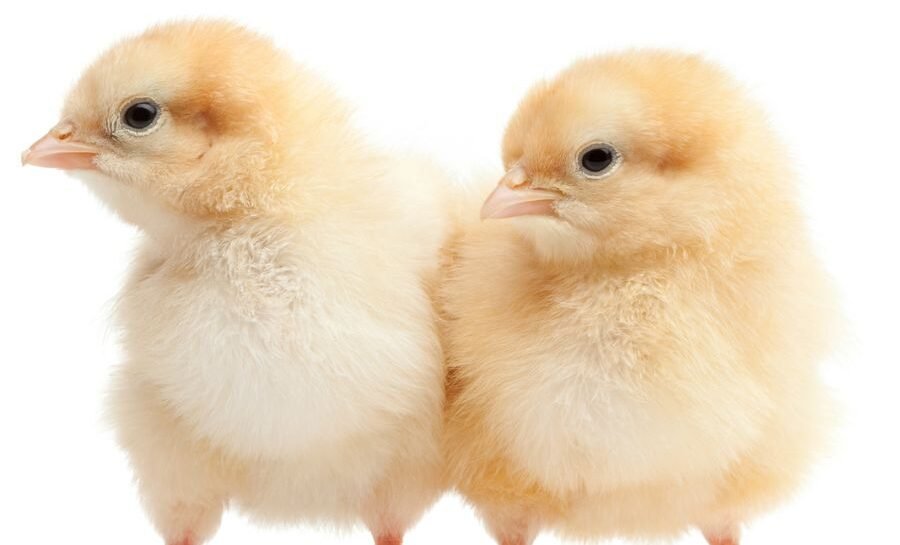
Day-old chicks are newly hatched birds that must be raised from the brooding stage until they begin laying eggs (around 18–20 weeks).
Advantages
1. Lower Purchase Cost
Day-old chicks are significantly cheaper than point-of-lay birds, making them more affordable for farmers with limited startup capital.
2. Better Health Control
When you raise birds from day one, you can control their vaccination program, feeding, and overall management, which often leads to healthier flocks.
3. Stronger Adaptation
Birds raised from day-old chicks adapt better to the farm environment, feed type, and management system.
4. Opportunity to Learn Poultry Management
For a young farmer who wants to build long-term poultry experience, raising birds from chicks provides valuable hands-on knowledge in brooding, feeding, vaccination, and disease control.
Disadvantages
- Requires brooding equipment and proper management
- Higher risk of chick mortality if poorly managed
- Takes 4–5 months before egg production begins
2. Starting with Point-of-Lay Birds (POL)
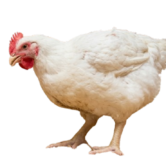
Point-of-lay birds are pullets that are about 16–18 weeks old and are close to the stage where they start laying eggs.
Advantages
1. Faster Egg Production
POL birds start laying eggs within a few weeks, allowing farmers to begin generating revenue quickly.
2. Reduced Brooding Stress
The farmer avoids the sensitive brooding stage, which is usually the most delicate period in poultry management.
3. Easier for Beginners with Limited Time
Farmers who cannot dedicate time to chick brooding may find POL birds easier to manage.
Disadvantages
1. Much Higher Cost
POL birds can cost 3–5 times more than day-old chicks, which increases startup costs significantly.
2. Unknown Health History
Farmers may not fully know the vaccination schedule, feeding history, or disease exposure of the birds.
3. Adaptation Challenges
Some POL birds may experience stress or reduced egg production when moved to a new farm environment.
3. Which Option Is Advisable for a Young Farmer?
For most young or first-time farmers, starting with Day-Old Chicks is usually more advisable.
Reasons
- Lower startup cost
- Full control over bird management
- Better learning experience
- Stronger flock adaptation
- Opportunity to build long-term poultry skills
However, if a farmer has strong capital, limited time, and access to reliable suppliers, starting with Point-of-Lay birds can help generate faster cash flow.
4. Practical Recommendation
A smart strategy for many beginners is to:
- Start small with day-old chicks (e.g., 100–300 birds)
- Gain experience in brooding and poultry management
- Scale gradually once production becomes stable
In poultry farming, good management is more important than the type of birds you start with. Whether you begin with day-old chicks or point-of-lay birds, success depends on:
- Proper housing
- Good feeding program
- Vaccination schedule
- Biosecurity practices
- Consistent farm monitoring
With the right approach, a young farmer can build a profitable and sustainable layers business over time.