

Coccidiosis is one of the most common and economically damaging diseases in poultry production. It affects broilers, layers, and turkeys, especially between 3–6 weeks of age, and can significantly reduce growth rate, egg production, and overall farm profitability.
According to the Food and Agriculture Organization, parasitic diseases like coccidiosis remain a major challenge in intensive poultry systems worldwide.
If not managed quickly and properly, coccidiosis can lead to high mortality and severe financial losses. Here’s a practical step-by-step guide to controlling an outbreak.
Step 1: Identify the Early Signs
Early detection reduces losses.
Common symptoms include:
- Bloody or watery droppings
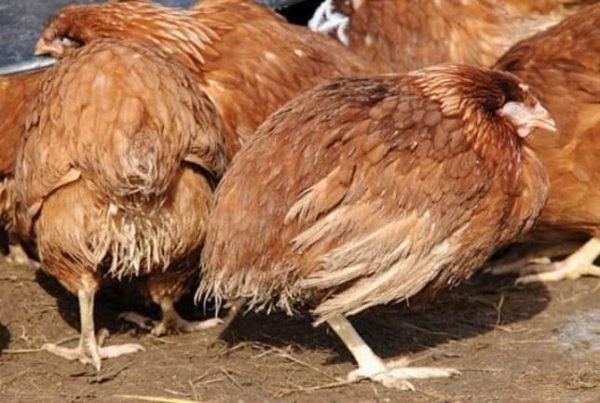
- Ruffled feathers
- Weakness and drooping wings
- Reduced feed intake
- Slow growth
- Sudden mortality
Immediate action is critical once symptoms appear.
Step 2: Isolate Affected Birds (If Possible)
If the outbreak is detected early and only a section is affected:
- Separate visibly sick birds
- Reduce stocking density
- Minimize stress
Isolation helps reduce parasite spread within the flock.
Step 3: Start Immediate Medication
Coccidiosis is caused by Eimeria parasites and requires anticoccidial treatment.
Common medications include:
- Amprolium
- Toltrazuril
- Diclazuril
Administer through drinking water according to veterinary guidance.
⚠️ Always follow recommended dosage and treatment duration.
Step 4: Improve Litter Management
Wet litter encourages parasite multiplication.
Actions to take:
- Remove excessively wet litter
- Replace with dry absorbent material
- Improve ventilation
- Fix leaking drinkers
Dry litter is one of the strongest preventive tools.
Step 5: Improve Ventilation
Poor airflow increases moisture and ammonia buildup, worsening disease spread.
Ensure:
- Proper air circulation
- Open-sided housing where possible
- Fans in enclosed systems
Good ventilation supports recovery.
Step 6: Provide Supportive Care
During outbreaks, birds become dehydrated and weak.
Provide:
- Electrolytes
- Multivitamins (especially Vitamin A and K)
- Clean, cool water
Supportive care improves survival rate and recovery speed.
Step 7: Reduce Stress Factors
Avoid:
- Overcrowding
- Sudden feed changes
- Rough handling
- Heat stress
Stress weakens immunity and increases mortality.
Step 8: Review Biosecurity Practices
After controlling the outbreak:
✔ Disinfect the pen thoroughly
✔ Clean feeders and drinkers
✔ Maintain footbaths at entry
✔ Restrict farm visitors
✔ Follow proper vaccination or anticoccidial program
Prevention is cheaper than treatment.
Step 9: Consider Preventive Programs
Preventive measures include:
- Medicated starter feed
- Coccidiosis vaccination
- Rotational anticoccidial programs
- Strict hygiene protocols
Many outbreaks occur due to poor litter management and overcrowding.
Economic Impact of Coccidiosis
If unmanaged, coccidiosis can cause:
- Up to 30% growth reduction
- Increased feed conversion ratio
- 10–20% mortality
- Higher medication costs
Early intervention protects your investment.
Coccidiosis is common but manageable. Quick detection, proper medication, improved hygiene, and strict biosecurity are the keys to controlling an outbreak.
Healthy birds grow faster, convert feed better, and generate higher profits.
Effective disease management is not optional — it is essential for sustainable poultry farming.