

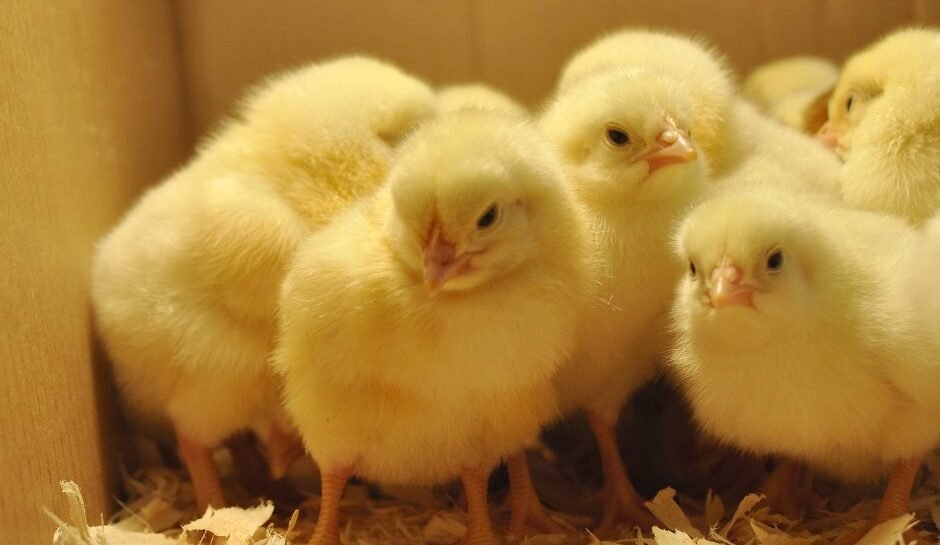
Bringing in a new batch of day-old chicks (DOCs) is one of the most critical stages in poultry production. The first 24–72 hours largely determine the survival rate, growth performance, and overall success of the production cycle. Proper preparation and handling can reduce early mortality and ensure strong flock performance.
Here are the essential steps every poultry farmer should follow when introducing new chicks to the farm.
1️⃣ Prepare the Poultry House in Advance
Preparation should begin at least 24–48 hours before the chicks arrive.
Ensure that:
- The poultry house is thoroughly cleaned and disinfected
- Old litter is removed and replaced with fresh, dry litter
- Feeders and drinkers are washed and sanitized
- The brooding area is properly arranged
A well-prepared environment reduces disease risk and stress on the chicks.
2️⃣ Pre-Heat the Brooding Area
Day-old chicks cannot regulate their body temperature effectively.
The brooding area should be warmed to about 32–35°C before the chicks arrive.
Use:
- Charcoal stoves
- Gas brooders
- Electric brooders
Pre-heating ensures chicks are comfortable immediately upon arrival.
3️⃣ Provide Clean Water First
Immediately after arrival, chicks should drink water before eating feed.
Provide clean water mixed with:
- Glucose
- Vitamins
- Electrolytes
This helps the chicks recover from transportation stress and dehydration.
Allow them to drink for about 1–2 hours before introducing feed.
4️⃣ Introduce Starter Feed
After hydration, provide high-quality chick starter feed.
Starter feed should contain:
- High protein (20–23%)
- Balanced vitamins and minerals
- Easily digestible nutrients
Spread a small quantity of feed on paper or trays to help chicks locate food quickly.
5️⃣ Observe Chick Behavior
Chick behavior is the best indicator of brooder conditions.
- If chicks cluster tightly under the heat source → Too cold
- If chicks move far away from heat → Too hot
- If chicks spread evenly and move freely → Temperature is ideal
Constant monitoring during the first few days is essential.
6️⃣ Ensure Proper Lighting
Lighting encourages chicks to eat and drink.
Provide 24-hour light during the first few days to help chicks easily locate feed and water.
Good lighting also stimulates early growth and activity.
7️⃣ Maintain Proper Stocking Density
Overcrowding increases stress, disease spread, and mortality.
Recommended density for brooding:
- About 40–50 chicks per square meter during the first weeks.
Adequate space ensures healthy development and better feed access.
8️⃣ Monitor Health and Mortality Daily
Check the flock several times a day to monitor:
- Weak chicks
- Injured birds
- Abnormal droppings
- Signs of illness
Remove dead birds immediately to prevent contamination.
Daily observation helps detect problems early.
9️⃣ Maintain Strict Biosecurity
To protect the young flock:
- Limit visitors to the farm
- Use footbaths at entry points
- Wear clean farm clothing
- Control rodents and pests
Strong biosecurity significantly reduces disease outbreaks.
🔟 Follow a Vaccination Schedule
Consult a veterinarian or poultry specialist for a proper vaccination program.
Common early vaccinations may include protection against diseases such as:
- Newcastle disease
- Gumboro disease
Vaccination strengthens immunity and protects the flock.
The first week of a chick’s life is often called the “foundation stage” of poultry production. Good brooding management during this period can lead to:
✔ Lower mortality
✔ Faster growth
✔ Better feed conversion
✔ Higher farm profitability
Successful poultry farming starts with strong chick management from day one.
#PoultryFarming #BroilerFarming #LayerFarming #DayOldChicks #PoultryManagement #FarmManagement #Agribusiness #LivestockFarming #SmartFarming #FoodSecurity #Agriculture #PoultryFarmers #FarmTips #Agripreneur #SustainableFarming