

Infectious Bursal Disease (Gumboro) in Poultry: Protecting Your Flock’s Immunity
Infectious Bursal Disease (IBD), commonly known as Gumboro, is a highly contagious viral disease that primarily affects young chickens between 3 to 6 weeks of age. It targets the bursa of Fabricius, an important organ responsible for developing the bird’s immune system, making infected birds highly vulnerable to other diseases.
The disease spreads rapidly through contaminated feed, water, equipment, litter, and farm workers. The virus is very resistant and can survive in the environment for long periods, making control more challenging if proper hygiene is not maintained.
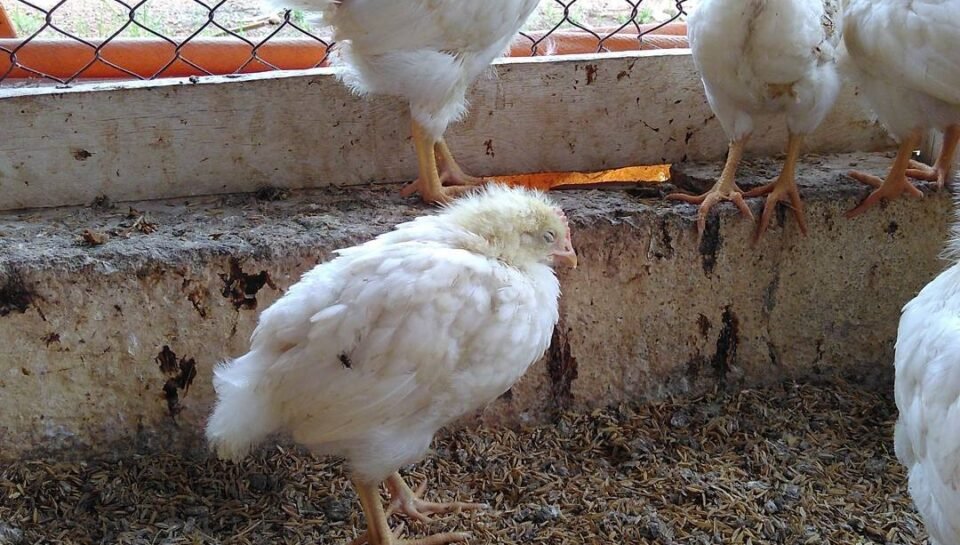
Common signs of Gumboro include:
- Sudden onset of illness
- Depression and weakness
- Ruffled feathers
- Watery or whitish diarrhea
- Pecking at the vent area
- Dehydration
- Increased mortality in severe cases
One of the biggest dangers of Gumboro is that it causes immunosuppression, meaning affected birds may not respond well to vaccines and become more susceptible to other infections such as Newcastle disease or coccidiosis.
There is no specific cure for Gumboro. Therefore, prevention is the most effective strategy. Farmers should focus on:
- Strict vaccination programs
- Strong biosecurity measures
- Proper cleaning and disinfection of poultry houses
- Avoiding overcrowding
- Providing clean feed and water
Early vaccination and good farm management can significantly reduce the impact of Gumboro and protect the long-term health and productivity of the flock.
A healthy immune system is the foundation of a successful poultry operation, and protecting birds from Gumboro is a critical part of that success.
#GumboroDisease #InfectiousBursalDisease #PoultryHealth #PoultryFarming #ChickenFarming #BroilerManagement #LayerManagement #FarmBiosecurity #PoultryDisease #LivestockHealth #Agribusiness #SustainableFarming #HealthyFlock #MacoDevFarms