


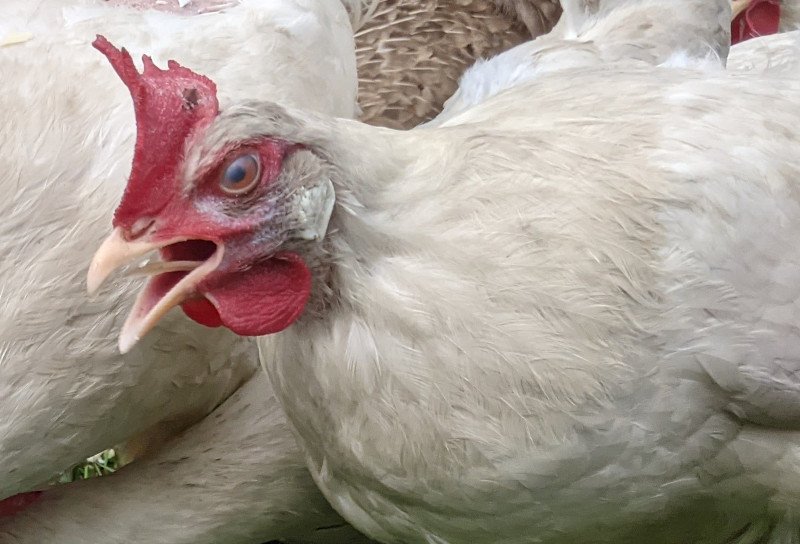
Infectious Bronchitis (IB) in Poultry: Protecting Respiratory Health and Productivity
Infectious Bronchitis (IB) is a highly contagious viral disease of poultry caused by the infectious bronchitis virus (IBV). It primarily affects the respiratory system, but can also impact the reproductive and urinary systems, leading to significant losses in both broilers and layers.
The disease spreads quickly through airborne droplets, contaminated equipment, feed, water, and human movement between farms. Because of its rapid transmission, an outbreak can affect an entire flock within a short time.
Common signs of Infectious Bronchitis include:
- Coughing, sneezing, and gasping
- Nasal discharge and watery eyes
- Reduced feed intake and poor growth
- Drop in egg production
- Poor egg quality (soft shells, misshapen eggs)
- Wet droppings due to kidney involvement
In layers, IB can cause a sharp decline in egg production and long-term damage to egg quality, even after recovery.
There is no specific cure for Infectious Bronchitis. Therefore, prevention is critical. Farmers should focus on:
- Routine vaccination programs
- Strict farm biosecurity
- Proper ventilation and housing management
- Reducing stress factors in birds
- Maintaining clean feed and water systems
Because IB virus strains can vary, it is important to follow locally recommended vaccination schedules for effective protection.
A proactive approach to managing Infectious Bronchitis helps maintain healthy birds, stable egg production, and overall farm profitability.
#InfectiousBronchitis #PoultryHealth #PoultryFarming #ChickenFarming #LayerManagement #BroilerManagement #FarmBiosecurity #PoultryDisease #EggProduction #LivestockHealth #Agribusiness #SustainableFarming #HealthyFlock #MacoDevFarms