

Fowl Pox in Poultry: What Farmers Should Know
Fowl pox is a viral disease of poultry that commonly affects chickens, turkeys, and other birds. It is caused by the avian pox virus and usually spreads through mosquito bites, wounds on the skin, or contact with contaminated equipment and surfaces. The disease can reduce productivity, slow growth, and cause economic losses if not managed properly.
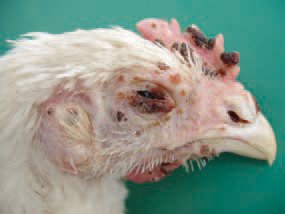
There are two common forms of fowl pox: the dry form and the wet form. The dry form appears as scabby lesions or wart-like growths on areas without feathers such as the comb, wattles, eyelids, and beak. The wet form affects the mouth, throat, and respiratory tract, making it difficult for birds to eat or breathe. This form is usually more serious.
Although fowl pox may not always cause high mortality, it can lead to poor weight gain, reduced egg production, weakness, and secondary infections. In severe outbreaks, birds become stressed and farm performance drops significantly.
Prevention is the best approach. Farmers should maintain good biosecurity, mosquito control, proper hygiene, and vaccination where necessary. Sick birds should be isolated, and the poultry house should be kept clean and dry.
Early attention and preventive management can help reduce the impact of fowl pox and keep the flock healthy.
#FowlPox #PoultryHealth #PoultryFarming #ChickenFarming #TurkeyFarming #LayerManagement #BroilerManagement #FarmBiosecurity #PoultryDisease #AnimalHealth #LivestockManagement #Agribusiness #SustainableFarming #HealthyFlock #MacoDevFarms