

Avian Influenza in Poultry: Understanding and Preventing Bird Flu
Avian influenza, commonly known as bird flu, is a highly contagious viral disease that affects poultry such as chickens, turkeys, and ducks. It is caused by influenza type A viruses, with certain strains (like highly pathogenic types) capable of causing severe outbreaks, high mortality, and major economic losses in poultry farms.
The disease spreads rapidly through direct contact with infected birds, contaminated feed and water, equipment, farm workers, and even wild birds. Because of its highly infectious nature, avian influenza can wipe out an entire flock within a short period if not properly managed.
Common signs of avian influenza include:
- Sudden and high mortality
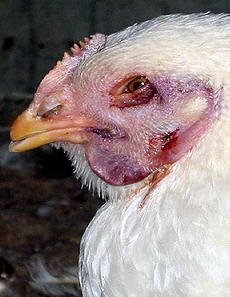
- Swelling of the head, comb, and wattles
- Respiratory distress (coughing, sneezing, nasal discharge)
- Drop in egg production
- Diarrhea and weakness
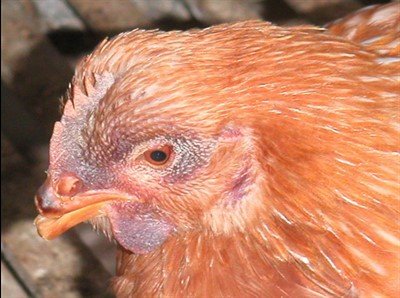
- Discoloration (bluish) of comb and legs
There is no effective treatment for highly pathogenic avian influenza, making prevention absolutely critical. Farmers must implement strict biosecurity measures, including restricting farm access, disinfecting equipment, controlling movement of people and vehicles, and preventing contact with wild birds.
Regular monitoring and early reporting of suspected cases to veterinary authorities are essential to prevent spread. In outbreak situations, rapid containment measures such as quarantine and culling may be required.
Protecting your farm from avian influenza is not just about productivity, it is about biosecurity discipline, vigilance, and proactive management.
#AvianInfluenza #BirdFlu #PoultryHealth #PoultryFarming #ChickenFarming #TurkeyFarming #FarmBiosecurity #PoultryDisease #LivestockHealth #Agribusiness #SustainableFarming #FoodSecurity #HealthyFlock #MacoDevFarms