

Fowl Cholera in Poultry Farming: Prevention and Control for a Healthy Flock
Fowl cholera is a serious bacterial disease in poultry caused by Pasteurella multocida. It affects chickens, turkeys, and other birds, and can lead to sudden mortality, reduced productivity, and significant economic losses if not properly managed.
The disease spreads through contaminated feed, water, equipment, rodents, wild birds, and direct contact with infected birds. Poor sanitation and overcrowding increase the risk of outbreaks, especially in farms with weak biosecurity practices.
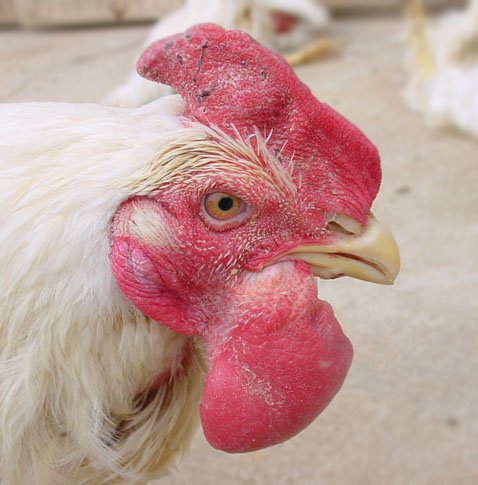
Fowl cholera can appear in acute or chronic forms. In acute cases, birds may die suddenly without showing obvious signs. In chronic cases, symptoms may include:
- Swollen wattles and joints
- Nasal discharge
- Difficulty breathing
- Reduced appetite
- Drop in egg production
- Diarrhea
The disease can quickly spread within a flock, making early detection and prompt action critical.
Control of fowl cholera focuses on prevention and proper farm management. Key measures include:
- Maintaining strict farm hygiene and sanitation
- Providing clean feed and water
- Controlling rodents and wild birds
- Avoiding overcrowding
- Isolating sick birds immediately
- Following appropriate vaccination programs where available
Antibiotics may be used under veterinary supervision to control outbreaks, but prevention remains the most effective and cost-efficient strategy.
Conclusion
Fowl cholera is a dangerous but manageable disease when farmers apply good biosecurity, proper hygiene, and proactive health management practices. Protecting your flock from infections like fowl cholera is essential for maintaining productivity, profitability, and long-term farm sustainability.
#FowlCholera #PoultryHealth #PoultryFarming #ChickenFarming #TurkeyFarming #FarmBiosecurity #PoultryDisease #LivestockHealth #Agribusiness #FarmManagement #SustainableFarming #HealthyFlock #DiseasePrevention #MacoDevFarms